
Should You Be Concerned About Hairline Cracks Around Stucco Windows?
Stucco: a classic choice for exteriors, but keeping it beautiful takes know-how. This blog is your guide to maintaining, repairing, and loving your stucco home!
You should be concerned about hairline cracks around stucco windows, as they often signal natural settling or thermal movement. While minor cracks are typically cosmetic, they can lead to moisture intrusion if not monitored. Signs like widening gaps or recurring cracks may indicate structural issues requiring professional assessment. Factors such as improper window flashing and seasonal temperature changes can exacerbate cracking. It’s essential to regularly inspect these areas to prevent long-term damage like mold or wood rot. By exploring further, you’ll uncover critical information on identifying crack severity and the importance of prompt repair solutions.
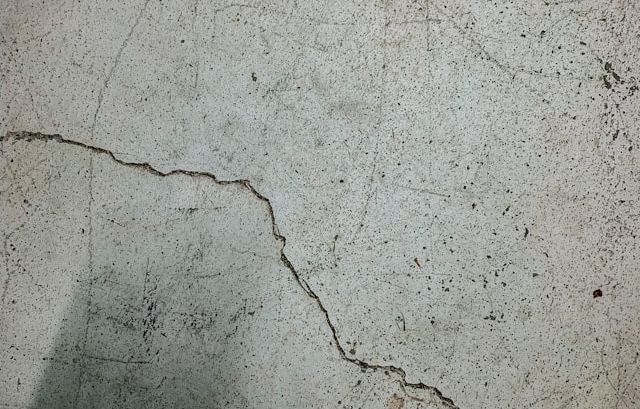
Are Hairline Stucco Cracks Around Windows Normal?
Hairline cracks around windows in stucco are a common occurrence that many homeowners encounter. These hairline stucco cracks often stem from the natural movement and settling of building materials. While they may seem minor, understanding whether they’re normal helps you assess potential risks. Generally, hairline stucco cracks are considered cosmetic. They frequently emerge due to the curing process of the stucco, where material shrinks and expands as it adjusts to environmental conditions.
However, just because these cracks are common doesn’t mean you should ignore them. Even small hairline cracks can lead to moisture intrusion over time, especially if there’s inadequate flashing or if they coincide with other vulnerabilities in the building envelope. Moisture penetration may contribute to more severe problems such as mold growth and structural damage if not addressed promptly.
It’s advisable to regularly inspect these cracks and consult professionals if they increase in size or number. Monitoring the condition of your stucco can help maintain your home’s exterior integrity and prevent costly repairs in the future. Ultimately, while hairline stucco cracks are generally normal, vigilance guarantees your windows remain well-protected.
Understanding why hairline stucco cracks
Around window openings, hairline stucco cracks often arise due to the natural settling of a building, alongside factors like thermal expansion, material shrinkage, and normal movement. As your home settles, the foundation shifts slightly, creating stress points at the interfaces where stucco meets window frames. This settling can lead to minor stucco cracks around windows, which are generally superficial.
Thermal expansion is another significant factor. As temperatures fluctuate, building materials expand and contract. If the stucco and the window frame experience different rates of expansion, this can result in cracking. Similarly, as stucco cures and dries, it shrinks, which may also lead to hairline cracks forming around window areas.
Normal building movement, including wind and seismic activity, can further exacerbate these issues. As your house experiences these movements, the stresses can manifest in the form of stucco cracks. While hairline stucco cracks around windows are often deemed cosmetic, they’re vital to monitor. If left unaddressed, they might allow moisture infiltration, leading to more significant structural problems later. Understanding these factors helps you address any potential issues early.
When Cosmetic Stucco Cracks Become a Bigger Concern
While hairline stucco cracks can often be dismissed as mere cosmetic issues, their potential to escalate into more significant problems shouldn’t be overlooked. These cracks, if ignored, may allow moisture to penetrate the stucco system, leading to various hidden concerns, including mold growth, wood rot, and structural damage. It’s crucial to recognize that what appears to be a minor imperfection can transform into a severe water intrusion issue, especially around window openings where stress concentrations occur.
If you spot hairline cracks, consider professional stucco crack repair promptly. Addressing cracks early can prevent more extensive deterioration, saving you time and money in the long run. A qualified contractor can assess the integrity of your stucco, ensuring that underlying problems are identified before they worsen. Additionally, they can implement appropriate repair techniques that not only restore the aesthetic appearance but also enhance the structure’s durability against future moisture intrusion.
Learning how to identify the differences between cosmetic stucco cracks
Understanding the differences between cosmetic stucco cracks and indicators of structural movement is essential for homeowners concerned about their property’s integrity. Cosmetic stucco cracks are often superficial, resulting from normal settlement, shrinkage, or temperature-induced expansion and contraction. These cracks typically measure less than 1/8 inch in width and don’t compromise structural soundness.
In contrast, warning signs of structural movement include recurring cracking, widening gaps, and evident shifts in the surrounding materials. If you observe cracks that repeatedly appear despite attempts at repair, or if the width exceeds 1/4 inch, these may indicate significant underlying issues. Gaps that are visibly widening, especially at window openings, could suggest foundational settlement or improper installation.
It’s vital to monitor the pattern and frequency of cracks. Cosmetic stucco cracks can be remedied with simple maintenance, but those indicating structural issues require immediate professional assessment. By differentiating between these types of cracks, you can better address potential problems before they escalate, ensuring your home’s exterior remains both visually appealing and structurally sound. Always consult a specialist for thorough evaluations to safeguard your investment.
The Hidden Risk of Water Intrusion Around Stucco Windows
Over time, the hidden risk of water intrusion around stucco windows can pose important threats to your home’s integrity. Even seemingly minor hairline cracks can allow moisture intrusion, creating pathways for water to penetrate behind the stucco surface. This intrusion typically results in more than just cosmetic issues; it can be the catalyst for extensive damage if not addressed promptly.
When water seeps behind stucco, it may lead to hidden challenges such as mold growth, which can affect indoor air quality, and wood rot that compromises structural components. Additionally, insulation deterioration can occur, considerably impacting your home’s energy efficiency.
It’s crucial to recognize that moisture intrusion is not always immediately visible. The damage might manifest later, often requiring costly repairs. Conducting regular inspections around your windows can help identify these risks before they escalate. If you observe hairline cracks, consider consulting a professional to evaluate the potential for moisture intrusion and recommend necessary repairs. Timely action is essential for protecting your home’s long-term durability and maintaining its value.
Exploring how small cracks
Even small, hairline cracks around stucco windows can have significant implications for your home’s structural integrity. These seemingly minor flaws can serve as entry points for moisture, especially if they’ve developed alongside faulty flashing or compromised waterproofing systems. When water penetrates behind stucco, it’s not just the visible exterior that’s affected; you might face serious water damage behind stucco walls.
Moisture intrusion can lead to various hidden issues, including mold growth, wood rot, and deterioration of the sheathing and insulation. These problems often manifest long after the initial cracks have appeared. If the waterproofing system fails to protect the building envelope, the risks multiply. The accumulated moisture can weaken structural components, potentially leading to costly repairs.
It’s crucial to monitor the health of your stucco finishes, particularly around window openings. Regular inspections can help identify cracks and flashing failures early, allowing you to take corrective measures before extensive water damage occurs behind stucco walls. Addressing these issues proactively guarantees your home remains strong, safe, and visually appealing for years to come.
Common Causes of Cracking Around Stucco Window Openings
Hairline cracks around stucco window openings can arise from several common factors that affect the integrity of the material. Recognizing these issues early is vital for effective stucco maintenance and preventing further damage.
- Settlement and Shrinkage: As your home settles and stucco cures, it naturally shrinks, which can lead to cracking around stress points such as windows.
- Temperature Fluctuations: Seasonal expansion and contraction caused by temperature changes can cause the stucco to flex, resulting in cracks.
- Improper Application: If the stucco was not installed correctly, it may not adhere properly, creating weak spots that are prone to cracking over time.
It’s important to monitor these cracks and understand their origins, as some may indicate more serious underlying issues. Proper stucco maintenance, including regular inspections, can help identify and address these stresses before they escalate. By being proactive, you can preserve the appearance and integrity of your exterior, safeguarding against potential moisture intrusion and subsequent damage. Always consider consulting professionals for a thorough evaluation and to implement the necessary repairs or maintenance solutions.
Examining the role of window flashing issues
When evaluating hairline cracks around stucco windows, it is crucial to examine contributing factors such as window flashing issues, weather exposure, improper installation, missing control joints, and the effects of seasonal expansion and contraction cycles. Window flashing plays a critical role in diverting water away from window openings; if it is improperly installed or missing, moisture can penetrate behind the stucco, exacerbating cracking. Weather exposure—particularly in regions with freeze-thaw cycles—can lead to rapid expansion and contraction, further stressing the stucco.
If the stucco was improperly installed, it may not adhere correctly to substrates, increasing the likelihood of cracks. Missing control joints can also prevent proper movement of the stucco as the building settles or expands, leading to hairline cracks. Seasonal changes can cause materials to expand in warmer months and contract in colder ones, introducing additional strain at stress points around windows.
It’s advisable to consult a stucco repair contractor for a thorough inspection of these issues. They can assess the severity of the cracks, identify underlying problems, and recommend appropriate repair solutions, ensuring your home’s exterior remains durable and aesthetically appealing.
Conclusion
Addressing hairline cracks around stucco windows is essential for maintaining your home’s structural integrity and preventing potential moisture issues. Even minor structural stucco cracks can lead to significant problems if not properly addressed. By investing in professional stucco crack repair, you’re not only enhancing the curb appeal of your home but also safeguarding it against hidden moisture damage.
Call to speak with one of our professional stucco contractors | 610-590-9285

Patriot Stucco Repair
We can help you repair and remodel your home exterior! Call us today and learn how Patriot Stucco Repair can help.
The region's leading professional stucco contractor



Proudly powered by Snapps website builder