
Understanding Efflorescence: The White Stains Showing Up on Stucco
Stucco: a classic choice for exteriors, but keeping it beautiful takes know-how. This blog is your guide to maintaining, repairing, and loving your stucco home!
Efflorescence appears as white, chalky stains on stucco due to moisture infiltration. When water seeps into porous stucco, it dissolves naturally occurring salts, which are left behind as the moisture evaporates. This residue indicates moisture movement within the wall assembly, signaling potential risks like cracked stucco and poor drainage if left unaddressed. It’s important to inspect for cracks, guarantee proper drainage, and maintain sealants to mitigate water entry. While efflorescence itself isn’t damaging, it’s a warning sign that underlying moisture issues may exist. You might uncover more about how to address this problem effectively.
What Is Efflorescence and Why Does It Appear on Stucco?
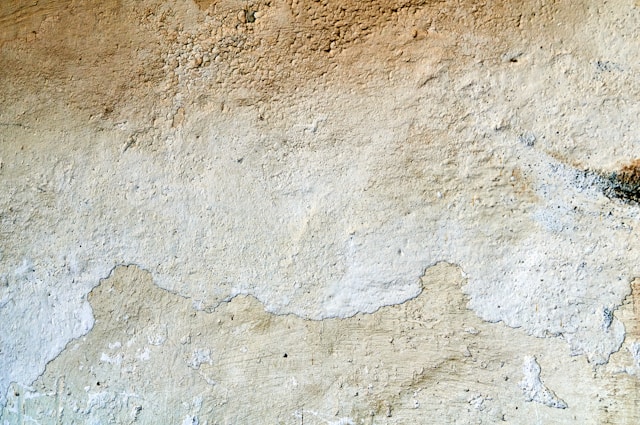
What causes that chalky white residue on your stucco walls? The answer lies in a phenomenon known as efflorescence on stucco. This condition occurs when moisture infiltrates the building material and dissolves naturally occurring salts. As the moisture moves through the stucco and eventually evaporates from the surface, it leaves behind these salts in the form of white, powdery deposits.
Efflorescence itself isn’t damaging, but it’s a clear indicator of moisture movement within your wall assembly. While you might think of it as merely an aesthetic issue, failing to address the underlying moisture source can lead to significant problems down the line. Cracked stucco, deteriorated sealants, and poor drainage are common culprits that allow water intrusion and subsequently promote efflorescence on stucco surfaces.
To manage this condition effectively, regular inspections are vital to catch any potential underlying issues early. Identifying the root cause is essential, as is determining whether waterproofing solutions or repairs are necessary. Understanding efflorescence is the first step toward preserving the durability and appearance of your stucco exterior, ensuring that it stands the test of time.
Understanding how moisture dissolves naturally occurring salts
When moisture seeps into stucco, it interacts with the naturally occurring salts present in the material. These salts dissolve as water permeates the stucco, creating a solution that can migrate toward the exterior surface. As the moisture evaporates, particularly during warm or dry conditions, it leaves behind these dissolved salts, resulting in the white, chalky deposits known as stucco efflorescence.
This process typically occurs due to the porosity of stucco, which allows water to enter but doesn’t easily release it. Over time, repeated cycles of moisture and evaporation can intensify the visible efflorescence, leading to more significant staining. While this phenomenon reflects the presence of salts like calcium carbonate, sodium, and magnesium, it also acts as a crucial indicator of moisture movement in your walls.
Recognizing the signs of stucco efflorescence is essential for homeowners. If these deposits appear, they can signal potential underlying moisture problems, such as cracked stucco or inadequate drainage. Understanding how moisture interacts with your stucco can help you maintain its integrity and prevent further issues down the line.
How Moisture Migration Causes White Stains on Stucco Walls
Moisture migration through stucco walls occurs as water infiltrates the material’s porous structure and moves toward the outer surface, where it eventually evaporates. This process often begins with moisture intrusion, which can arise from various sources such as cracked stucco, deteriorating seals, or inadequate drainage. As water penetrates the stucco, it can dissolve naturally occurring salts within the material.
When moisture reaches the exterior and evaporates, these dissolved salts are left behind, forming the white, chalky stains commonly associated with efflorescence. This migration of moisture not only causes unsightly stains but also indicates ongoing moisture movement, which can be detrimental to the integrity of the building envelope.
Additionally, if the moisture intrusion persists, it can lead to more severe issues such as mold growth, wood rot, and structural damage. It’s essential to address the underlying causes of moisture migration effectively; otherwise, the problem will likely recur. Regular inspections by professionals can help identify the roots of moisture intrusion and provide targeted solutions, ensuring the longevity and aesthetic appeal of your stucco walls.
Exploring moisture intrusion, water infiltration, capillary action, vapor transmission, and the role of the building envelope in efflorescence formation
The interaction of moisture intrusion, water infiltration, and capillary action within the building envelope plays a vital role in the formation of efflorescence. When moisture migrates through porous materials, it often carries dissolved salts, which are precipitated as water evaporates at the surface. This process begins when external moisture, stemming from rain or high humidity, penetrates the stucco due to cracks or failed seals.
Capillary action facilitates the upward movement of moisture through capillary pathways, allowing liquid to traverse even vertical surfaces. Vapor transmission also contributes, enabling moisture vapor to permeate walls, which can promote efflorescence if it condenses and moves through the building materials. Moisture migration can become particularly problematic when the building envelope essentially the barrier between the interior and exterior—fails to adequately prevent water infiltration.
When moisture seeps into the wall assembly, it creates a conducive environment for efflorescence to develop. Understanding these physical processes is imperative for you, as it highlights the need for effective moisture management strategies and robust building envelope designs to mitigate potential staining and damage in stucco surfaces.
Common Sources of Efflorescence and Hidden Moisture Problems
Understanding the common sources of efflorescence is essential for homeowners who want to maintain the integrity of their stucco surfaces. The white stains on stucco may seem merely cosmetic, but they often hint at deeper moisture issues that need addressing. Knowing where these problems originate can help you take the right steps to mitigate them.
Here are four common sources of efflorescence:
- Poor Drainage: When water collects near your foundation, it can seep through stucco, bringing salts with it.
- Cracked Surfaces: Small cracks in your stucco can allow moisture infiltration, leading to the formation of white stains as salts effloresce.
- Faulty Sealants: Deteriorating or improperly applied sealants may fail to protect your stucco from moisture intrusion, contributing to efflorescence.
- Excessive Moisture From Landscaping: Poorly managed irrigation systems or overwatering can create pockets of moisture that affect your walls.
Examining cracked stucco, failed sealants, improper flashing, drainage issues, roof runoff, and other conditions that allow excess moisture to move through stucco systems
Stucco’s durability hinges on an effective barrier against water infiltration, making the examination of cracked surfaces, failed sealants, improper flashing, drainage issues, and roof runoff essential for maintaining its integrity. Cracks in the stucco provide direct pathways for moisture, which can lead to significant water damage behind stucco. Inspecting sealants is imperative, as failed or deteriorated products allow water to penetrate, compromising the structure.
Improper flashing can exacerbate issues, as it fails to direct water away from vulnerable areas, causing leaks and pooling. Additionally, poor drainage systems may lead to water accumulation, creating further moisture intrusion points.
Roof runoff is another important concern; if your roof diverts water toward the walls rather than away, it increases the risk of excess moisture infiltration. It’s essential to assess all these factors regularly to prevent ongoing water damage behind stucco. Timely intervention can help mitigate potential mold growth, wood rot, and insulation damage, ensuring the longevity and performance of your stucco system. Regular inspections can identify these issues, guiding your maintenance or repair strategies effectively.
When Efflorescence Signals a More Serious Stucco Issue
Efflorescence often serves as an early warning sign of underlying moisture issues that could threaten the integrity of your stucco system. While it may appear harmless, it can indicate that water is infiltrating your walls, leading to more serious problems if not addressed swiftly. If you notice efflorescence, consider the following critical factors:
- Cracked Stucco: Any fissures in the stucco can allow moisture penetration, exacerbating efflorescence.
- Deteriorated Flashing: Flashing that has failed may contribute to water intrusion, leading to potential mold and structural issues.
- Poor Drainage: Inadequate drainage systems can pool water near your walls, increasing moisture levels within stucco.
- Failed Sealants: If sealants around windows and doors are compromised, they won’t effectively block moisture, permitting it to seep into the wall assembly.
Ignoring these indicators may necessitate extensive stucco repair down the line. Therefore, a thorough inspection by professionals is essential. They can assess the situation, identify moisture sources, and recommend appropriate repairs to guarantee your stucco remains durable and visually appealing for years.
Identifying warning signs such as recurring staining
When evaluating the health of your stucco exterior, it is vital to be aware of warning signs that may suggest deeper moisture-related issues. Recurring staining is one of the first indicators that something’s amiss. When you notice consistent white stains, it reflects ongoing moisture movement, potentially leading to severe problems. You should also check for any signs of mold growth, which thrives in damp conditions and can compromise indoor air quality.
Wood rot is another significant concern; if you notice soft or discolored wood elements around windows or doors, moisture damage behind stucco could be taking hold. Surface deterioration, such as cracks or flaking, can expose underlying materials to further infiltrations. Pay attention to walls that feel unusually cold or damp to the touch, as these could indicate compromised wall assemblies.
If you notice these warning signs, it is wise to consult with a professional. Early intervention can prevent extensive damage and costly repairs, ensuring your stucco maintains its integrity and appearance. Don’t ignore these signs, as addressing moisture damage behind stucco promptly is important for the longevity of your home.
Conclusion
Although seeing those white stains on your stucco may be concerning, it is important to recognize that they’re just a symptom of a deeper issue. Addressing only the efflorescence without investigating its source can lead to more significant problems. Effective stucco maintenance requires you to tackle the root causes of moisture intrusion.
Call to speak with one of our professional stucco contractors | 610-590-9285

Patriot Stucco Repair
We can help you repair and remodel your home exterior! Call us today and learn how Patriot Stucco Repair can help.
The region's leading professional stucco contractor



Proudly powered by Snapps website builder