
Stucco Crack Repair Explained: Causes, Risks, and Professional Solutions
Stucco: a classic choice for exteriors, but keeping it beautiful takes know-how. This blog is your guide to maintaining, repairing, and loving your stucco home!
Stucco has been used as an exterior building material for thousands of years because of its durability, versatility, and timeless appearance. From traditional masonry structures to modern residential homes, stucco continues to be one of the most widely used exterior finishes due to its ability to withstand changing weather conditions while providing a clean and attractive appearance. Although stucco is known for its long service life, it is not immune to wear and tear. One of the most common issues property owners encounter is cracking.
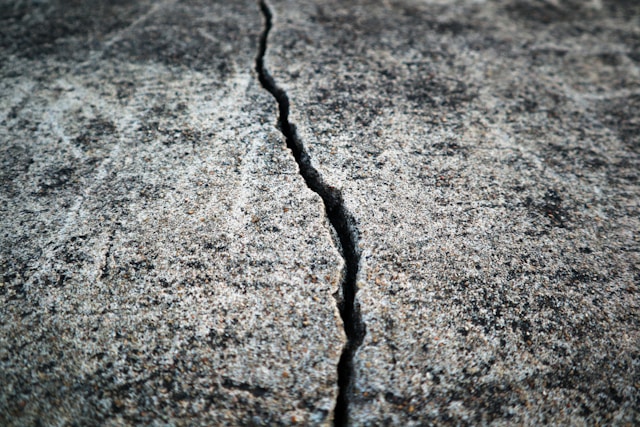
Understanding Stucco Crack Repair Explained: Causes, Risks, and Professional Solutions is essential for homeowners, builders, architects, property managers, and anyone responsible for maintaining exterior building systems. While some cracks are purely cosmetic, others may indicate moisture intrusion, structural movement, or deterioration within the building envelope. Recognizing the causes of stucco cracks, understanding their potential risks, and knowing how professional repair methods restore long-term performance can help protect both the appearance and structural integrity of a building.
Understanding Stucco as a Building Material
Stucco is a cement-based exterior coating applied over walls to create a durable, weather-resistant finish. Traditional stucco is typically composed of Portland cement, lime, sand, and water, although modern systems may incorporate polymers, acrylic additives, or fiberglass reinforcement to improve flexibility and performance.
A properly installed stucco system performs several important functions:
- Protects exterior walls from weather
- Helps manage moisture
- Improves fire resistance
- Enhances curb appeal
- Supports energy efficiency
- Extends the lifespan of wall assemblies
Because stucco serves as part of the building envelope, maintaining its condition is critical for protecting the structure beneath it.
Why Stucco Develops Cracks
Contrary to popular belief, not every crack indicates poor workmanship or structural failure. Stucco is a rigid material that naturally responds to environmental conditions, building movement, and aging.
Several factors contribute to crack formation over time.
Natural Shrinkage
As freshly applied stucco cures, moisture gradually evaporates from the material. This curing process often results in minor shrinkage.
Small shrinkage cracks may develop because:
- Water evaporates during curing.
- Cement hardens over time.
- Surface tension changes.
Hairline shrinkage cracks are relatively common and may not immediately affect structural performance.
Thermal Expansion and Contraction
Buildings continuously expand and contract as temperatures fluctuate.
During warm weather:
- Stucco expands.
During cooler weather:
- Stucco contracts.
Repeated seasonal movement creates stress within rigid materials, eventually producing surface cracks if movement exceeds the material’s flexibility.
Foundation Settlement
Nearly every building experiences some degree of settlement after construction.
As foundations gradually adjust to soil conditions, small movements may transfer stress into exterior wall systems.
Settlement-related cracking often appears as:
- Diagonal cracks
- Stair-step patterns
- Vertical separation
- Window corner cracking
Significant foundation movement should be evaluated separately from cosmetic stucco repairs.
Structural Movement
Exterior walls respond to:
- Wind loads
- Roof movement
- Framing expansion
- Seismic activity
- Moisture changes
These forces create ongoing movement throughout a building’s lifespan.
When stucco cannot accommodate this movement, visible cracks may develop.
Moisture Intrusion
Water affects stucco both externally and internally.
Persistent moisture may weaken underlying materials, causing subtle movement that eventually appears as surface cracking.
Moisture-related deterioration often accelerates crack formation if underlying problems remain unresolved.
Types of Stucco Cracks
Different crack patterns provide valuable clues regarding their causes.
Hairline Cracks
Hairline cracks are extremely narrow and often result from normal curing or minor seasonal movement.
Characteristics include:
- Thin appearance
- Limited depth
- Minimal structural concern
- Cosmetic impact
Although generally less serious, they should still be monitored because they may permit moisture intrusion over time.
Vertical Cracks
Vertical cracks frequently develop as buildings naturally settle.
Depending on their location and width, they may indicate:
- Shrinkage
- Minor movement
- Differential settlement
Professional evaluation helps determine whether further investigation is necessary.
Horizontal Cracks
Horizontal cracking deserves careful attention because it may indicate structural stress.
Potential contributing factors include:
- Wall movement
- Foundation pressure
- Framing issues
These cracks often require comprehensive inspection before repairs begin.
Diagonal Cracks
Diagonal cracks commonly appear around:
- Windows
- Doors
- Building corners
These locations experience concentrated structural stress during building movement.
Spiderweb Cracks
Fine interconnected cracks resembling spider webs usually develop from surface shrinkage or aging finishes.
While often cosmetic, extensive spiderweb cracking may indicate that protective coatings require restoration.
Why Small Cracks Should Not Be Ignored
Many homeowners postpone repairs because cracks initially appear insignificant.
However, even narrow openings allow:
- Rainwater infiltration
- Humidity penetration
- Freeze-thaw damage
- Dirt accumulation
- Biological growth
Minor defects frequently become larger problems when exposed to years of weather.
Early intervention often prevents much more extensive repairs.
Moisture: The Greatest Threat Behind Stucco Cracks
Water remains one of the most destructive forces affecting exterior wall systems.
When moisture penetrates behind cracked stucco, it may affect:
- Wood framing
- Structural sheathing
- Insulation
- Interior drywall
- Fasteners
- Structural connectors
Because this deterioration occurs behind finished surfaces, damage may remain hidden for long periods.
Freeze-Thaw Damage
Regions experiencing winter temperatures face additional challenges.
When water enters cracks and freezes:
- Ice expands.
- Pressure increases.
- Cracks widen.
- Surface materials fracture.
Repeated freeze-thaw cycles gradually accelerate deterioration throughout the stucco system.
How Moisture Affects the Building Envelope
Stucco functions as part of the building envelope.
The building envelope includes:
- Roofing
- Windows
- Flashing
- Insulation
- Exterior walls
- Foundations
Damage to any portion of this protective system increases vulnerability to moisture intrusion.
Maintaining intact stucco helps preserve the overall performance of the entire building envelope.
Recognizing Warning Signs Beyond Cracks
Visible cracks often accompany other indicators of hidden problems.
Property owners should watch for:
- Bulging walls
- Soft stucco
- Efflorescence
- Peeling paint
- Mold growth
- Interior staining
- Damp drywall
- Musty odors
These symptoms may indicate moisture intrusion requiring immediate attention.
The Importance of Professional Inspection
Successful stucco repair begins with accurate diagnosis.
Experienced inspectors evaluate:
- Crack patterns
- Moisture conditions
- Structural movement
- Drainage performance
- Flashing installation
- Sealant condition
Understanding the underlying cause prevents recurring problems after repairs are completed.
Moisture Testing
Professional moisture testing identifies hidden water intrusion that cannot be detected visually.
Various non-invasive and invasive techniques help determine:
- Moisture levels
- Damaged substrates
- Areas requiring further evaluation
Testing provides valuable information before repairs begin.
Professional Stucco Crack Repair Methods
Repair techniques vary depending upon crack size, location, and underlying conditions.
Surface Crack Repair
Hairline cracks may be repaired using compatible patching materials designed to restore weather resistance while blending with existing finishes.
Proper preparation remains essential for long-term durability.
Localized Stucco Patching
When cracks accompany damaged stucco, affected sections may be removed and replaced.
This process typically involves:
- Removing compromised material
- Inspecting underlying substrates
- Repairing moisture damage if necessary
- Installing replacement stucco
- Matching existing texture
Quality patching restores both appearance and protection.
Expansion Joint Improvements
Buildings naturally move over time.
Expansion joints help accommodate this movement by reducing stress within stucco surfaces.
Proper joint maintenance helps minimize future cracking.
Protective Finish Coatings
Elastomeric coatings and compatible exterior finishes may improve water resistance while helping bridge minor surface imperfections.
Protective coatings also extend the lifespan of repaired stucco.
Preventing Future Stucco Cracks
Although cracking cannot always be eliminated entirely, preventive maintenance significantly reduces risk.
Recommended practices include:
- Annual inspections
- Prompt crack repairs
- Maintaining sealants
- Cleaning gutters
- Managing roof drainage
- Protecting landscaping from excessive irrigation
Routine maintenance helps preserve exterior wall systems.
Environmental Factors That Influence Stucco Performance
Climate plays an important role in stucco durability.
Environmental influences include:
- Heavy rainfall
- Snow accumulation
- High humidity
- Intense sunlight
- Strong winds
- Temperature fluctuations
Buildings exposed to severe weather benefit from more frequent inspections and proactive maintenance.
The Role of Proper Installation
Many long-term stucco problems originate during installation.
Successful systems require:
- Proper substrate preparation
- Correct moisture barriers
- Quality flashing
- Appropriate curing
- Adequate expansion joints
- Manufacturer-recommended materials
Professional installation greatly improves long-term performance.
Why Cosmetic Repairs Alone May Not Be Enough
Painting over cracks or applying surface fillers without identifying underlying causes often produces temporary results.
If moisture intrusion or structural movement continues, cracks frequently reappear.
Effective repairs address:
- Moisture management
- Structural movement
- Damaged substrates
- Surface restoration
Treating the root cause produces longer-lasting outcomes.
Long-Term Benefits of Timely Stucco Repair
Prompt repairs provide numerous advantages.
Benefits include:
- Reduced moisture intrusion
- Lower repair costs
- Improved structural protection
- Better energy efficiency
- Enhanced curb appeal
- Increased property value
- Extended stucco lifespan
Preventive maintenance remains one of the most cost-effective approaches to exterior building preservation.
When Should Homeowners Seek Professional Evaluation?
Professional evaluation is recommended whenever cracks:
- Continue growing
- Exceed hairline width
- Appear suddenly
- Accompany water stains
- Develop around windows or doors
- Coincide with bulging walls
Early assessment allows problems to be addressed before extensive structural damage develops.
The Future of Stucco Systems
Modern stucco technology continues evolving.
Manufacturers increasingly develop:
- Improved reinforcement materials
- Flexible finish systems
- Enhanced moisture barriers
- Advanced acrylic coatings
- Better drainage designs
These innovations improve durability while helping exterior wall systems better accommodate environmental movement.
Conclusion
Understanding Stucco Crack Repair Explained: Causes, Risks, and Professional Solutions demonstrates that cracks should never be viewed solely as cosmetic imperfections. While many cracks result from normal building movement or the natural curing process, others may indicate moisture intrusion, foundation settlement, or deterioration within the building envelope. Left unaddressed, even small openings can allow water to penetrate behind the stucco, leading to hidden damage such as wood rot, insulation deterioration, mold growth, and reduced structural performance.
Call to speak with one of our professional stucco contractors | 610-590-9285

Patriot Stucco Repair
We can help you repair and remodel your home exterior! Call us today and learn how Patriot Stucco Repair can help.
The region's leading professional stucco contractor



Proudly powered by Snapps website builder