
How Exterior Stucco Crack Repair Experts Solve Hidden Issues Like Leaks, Siding Failure, and Water Damage
Stucco: a classic choice for exteriors, but keeping it beautiful takes know-how. This blog is your guide to maintaining, repairing, and loving your stucco home!
Exterior Stucco Crack Repair Experts identify and address hidden issues like leaks and siding failure by thoroughly evaluating cracks and visible signs of damage. They use diagnostic tools, such as moisture meters and infrared imaging, to detect water intrusion and structural damage behind stucco. By correcting improper flashing, reinforcing the exterior system, and implementing waterproofing solutions, they prevent costly mold growth and deterioration. There are extensive strategies that secure long-term protection for your home’s integrity and performance.
Introduction
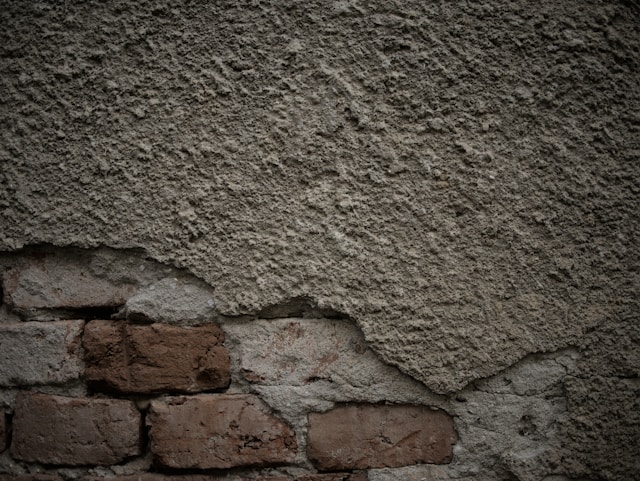
While you might initially perceive stucco cracks as mere cosmetic issues, they often indicate deeper, hidden damage within your exterior system. If you don’t address these cracks promptly, you could face significant problems like water intrusion and moisture damage behind walls. Over time, these issues compromise the integrity of your building envelope, leading to costly repairs. Water can penetrate through cracks, exacerbating damage and fostering mold growth. Hence, effective water intrusion repair is essential not only for crack restoration but also for guaranteeing the entire system’s longevity. A thorough assessment by exterior stucco repair experts, using moisture detection tools and advanced diagnostic techniques, ensures you’re tackling underlying issues, prioritizing complete building envelope repair, and preserving your home’s structural health.
How small stucco cracks can signal larger exterior system failure
Even though small stucco cracks might seem insignificant at first glance, they can be the precursors to larger exterior system failures. When moisture infiltrates these cracks, the damage can escalate quickly, compromising the integrity of your building. Exterior stucco crack repair experts emphasize that addressing these minor issues is important to prevent costly siding failure repair and extensive water damage. By utilizing advanced techniques and tools, such as infrared cameras for moisture detection, they ensure early intervention. Additionally, exterior waterproofing services can enhance your stucco’s resilience by preventing moisture penetration. Neglecting these small cracks may lead to more severe structural deterioration, making prompt assessment and treatment essential for long-term durability and protection of your exterior systems.
Understanding common visible signs like cracks and water stains
Recognizing common visible signs like cracks and water stains is vital for maintaining the integrity of your building’s exterior. Cracks in stucco can indicate underlying issues that may require professional stucco crack repair services. Water stains often signal water intrusion, which may stem from a window leak or failure in wall seals. Timely response to these signs not only prevents escalation but also supports effective exterior wall damage repair. Ignoring cracks and stains can lead to more extensive issues like mold growth and structural compromise. For that reason, it’s important to act swiftly by consulting experts for thorough evaluations and necessary repairs, ensuring your property remains protected from further damage and retains its aesthetic appeal.
Hidden issues behind stucco including moisture and structural damage
Have you ever considered what’s lurking behind your stucco exterior? Many homeowners underestimate the potential hidden issues, such as moisture and structural damage. When water infiltrates through cracks or poorly maintained sealants, it can seep behind the stucco and siding, causing significant problems like wood rot and mold growth. This damage isn’t always visible until it’s too late. That’s why it’s crucial to enlist the expertise of qualified stucco and siding contractors. They use advanced diagnostic tools, like infrared cameras, to detect moisture and assess the structural integrity of your home. By addressing these hidden issues with effective waterproofing, flashing corrections, and necessary repairs, you can ensure the long-term stability and durability of your exterior system.
How water intrusion begins through cracks and failed sealants
Water intrusion often initiates through seemingly minor cracks and failed sealants in your stucco exterior. These issues create pathways for moisture, allowing it to penetrate and accumulate behind the stucco. When water enters through cracks or gaps in the sealant, it can lead to significant hidden problems, including wood rot and mold growth. Advanced diagnostic tools, such as infrared cameras, help detect moisture levels, enabling you to address these concerns early. Effective solutions go beyond just sealing cracks; they involve waterproofing measures and correcting flashing installations to prevent future leaks. By addressing these failures proactively, you’ll enhance the durability of your exterior, ensuring a protective barrier that safeguards your property against further water intrusion and damage.
Connection between stucco damage and siding failure
When stucco damage occurs, it often signals deeper issues that can extend to adjacent siding systems. Cracks and water intrusion can lead to moisture penetrating beneath the stucco, compromising the structural integrity of the siding. This moisture can cause wood rot, mold growth, and insulation deterioration. To address these problems effectively, you need to conduct thorough inspections that utilize moisture detection tools, examining vulnerabilities where stucco meets siding. Repair strategies should include not just sealing cracks, but also enhancing waterproofing and correcting flashing failures. In some cases, replacing damaged siding may be necessary to restore the system’s integrity. By taking these proactive steps, you can ensure long-term protection for both stucco and siding, preventing future failures and costly repairs.
Role of window and roof leaks in exterior wall damage
Although windows and roofs are designed to protect against the elements, leaks in these areas can substantially contribute to exterior wall damage. When water seeps through compromised seals or flashing, it infiltrates the wall assembly, leading to detrimental effects like mold, wood rot, and insulation degradation. You might not notice these issues immediately, as they progress behind the exterior surfaces. To effectively address these problems, it’s essential to conduct thorough inspections focusing on the interface between windows, roofs, and stucco. Utilizing moisture detection tools allows for the identification of hidden leaks. Solutions may involve resealing, enhancing flashing, or even replacing affected materials. By tackling these leaks promptly, you’ll ensure the longevity and integrity of your entire exterior system.
Why building envelope failure causes widespread problems
Because the building envelope serves as the primary barrier between the interior and exterior environments, its failure can lead to severe, compounding issues throughout the structure. When cracks or sealant failures allow moisture to infiltrate, it doesn’t just affect the immediate area; it can spread rapidly, causing hidden damage. You might face rotting wood, mold growth, and compromised insulation, all of which contribute to escalating repair costs. Additionally, structural integrity may be jeopardized, leading to safety concerns. To combat these problems, addressing the building envelope’s integrity is essential. This involves thorough inspections, reliable waterproofing methods, and appropriate flashing corrections to prevent future issues. Investing in these repairs now can save you from far greater expenses down the road.
How experts perform detailed exterior inspections
While visual assessments form the foundation of exterior inspections, experts employ a range of advanced diagnostic techniques to guarantee a thorough evaluation of the building envelope. They begin by identifying potential problem areas, using moisture detection tools like infrared cameras to locate hidden leaks. Probes are also utilized to assess moisture levels behind materials. Experts meticulously evaluate junctions between stucco, siding, windows, and roofs, looking for signs of improper installation or material fatigue. Each step is documented to provide a clear picture of the building’s condition. This complete approach not only helps in pinpointing issues but also informs targeted remediation strategies, ensuring that all underlying problems are addressed effectively to enhance the longevity and integrity of your exterior.
Analyzing crack patterns to determine underlying causes
How can the patterns of cracks in stucco reveal important insights into underlying issues? By closely examining these patterns, you can pinpoint potential problems like water intrusion or installation faults. Horizontal cracks often indicate foundation settling or shifting, while vertical ones might suggest wall stress or improper framing. Diagonal cracks could signal thermal expansion issues or unequal settling. Recognizing these patterns enables you to respond effectively; for instance, if you notice cracking around windows, it may mean faulty flashing or poor sealant application. Addressing these underlying causes rather than merely patching cracks is essential—implementing waterproofing solutions, correcting flashing details, and ensuring proper drainage will enhance your stucco system’s longevity and overall integrity, safeguarding your property against future damage.
Using moisture meters and infrared imaging to detect leaks
Identifying the patterns of cracks in stucco sets the stage for a deeper investigation into potential leaks and moisture issues. To assess these hidden problems, experts utilize moisture meters and infrared imaging. Moisture meters provide precise measurements of moisture levels within the walls, enabling you to pinpoint areas of concern. Meanwhile, infrared imaging detects temperature variations, revealing trapped moisture that might not be visible to the naked eye. These tools work together to create a thorough moisture profile, helping you understand the extent of the issue. By integrating these advanced technologies, professionals can effectively locate leaks, evaluate damage, and formulate targeted repair strategies, ensuring your exterior system is fortified against future water intrusion.
Importance of probe testing for confirming hidden moisture
Understanding the critical role of probe testing is essential for confirming hidden moisture behind stucco, as it provides a definitive analysis of moisture levels within the wall assembly. This process involves using specialized moisture probes that can penetrate through the stucco surface, allowing you to assess moisture content at various depths. By identifying areas with elevated moisture levels, you’ll be able to address potential issues like wood rot and mold before they escalate. Probe testing not only uncovers hidden moisture but also validates remediation efforts, ensuring that your repair strategies are effective. Incorporating this diagnostic method enhances your ability to maintain a robust exterior system, minimizes future repair costs, and protects the integrity of your property.
Evaluating stucco-to-window and siding-to-stucco transitions
After confirming potential hidden moisture issues with probe testing, the next step involves examining the connections between stucco and windows, as well as siding and stucco. Make sure to inspect the integrity of sealants; a failure here often leads to water infiltration. Look closely at the flashing details, ensuring they’re properly integrated and free from damage. Gaps at these junctions can allow moisture to penetrate, exacerbating hidden issues. Additionally, check for signs of discoloration or sagging in the siding and stucco, which can indicate moisture presence. If you identify any weaknesses, prioritize repairs that address flashing and sealant concerns while considering the need for siding replacement or reinforcement to maintain the overall durability and performance of the structure’s exterior system.
Identifying root causes like improper flashing and poor installation
Although many homeowners may overlook the importance of proper installation and flashing, these elements are essential in preventing water intrusion and subsequent damage. If flashing is improperly installed or missing, water can easily breach the building envelope, leading to serious issues like mold and structural rot. Begin by inspecting areas around windows, doors, and rooflines, as these are common fail points. Use moisture detection tools to assess hidden leaks. Additionally, look for signs of poor installation, such as gaps or misalignment in the stucco finish. Addressing these root causes involves repairing or replacing flashing and ensuring that installation adheres strictly to manufacturer guidelines. By tackling these issues head-on, you can considerably mitigate the risk of extensive damage to your property.
How experts repair stucco cracks using professional materials
Repairing stucco cracks successfully requires more than just patching the surface; it necessitates the use of professional-grade materials designed for durability and compatibility with existing systems. Experts start by cleaning the crack, removing any loose debris or dust. Then, they apply a specialized repair compound that bonds well to the stucco, ensuring longevity. Fiberglass mesh may be embedded for additional reinforcement, preventing future cracking. After applying the repair mix, they utilize a trowel to smooth it seamlessly into the surrounding area. Once cured, a matching color coat is applied to blend with the existing stucco. By using these high-quality materials, you’ll ensure that the repair not only looks great but also withstands the elements for years to come.
Waterproofing solutions including sealants and membranes
When addressing waterproofing solutions for stucco, incorporating high-quality sealants and membranes is essential to prevent moisture intrusion. Sealants, such as acrylic or polyurethane, are applied to cracks and joints, providing a flexible barrier that adapts to movement and temperature fluctuations. Membranes, both liquid-applied and sheet types, can be installed over the entire surface, offering an additional layer of protection against water penetration. Make sure the surface is properly cleaned and prepped for strong bonding, and pay attention to junctions where stucco meets other materials like windows or doors. Also, consider using breathable membranes that allow moisture vapor to escape while keeping water out. This combination substantially reduces the risk of hidden leaks and long-term damage.
When siding repair or replacement is required
Identifying the need for siding repair or replacement often follows the detection of moisture-related issues, such as those caused by compromised waterproofing. You might notice discoloration, peeling paint, or visible mold, indicating that your siding’s integrity is at risk. In these cases, a thorough inspection is essential to assess damage and determine whether repair or complete replacement is necessary. If siding penetration has been significant, you may encounter warped materials or structural degradation, requiring immediate action to prevent further complications. Make sure the removal of deteriorated siding, followed by appropriate waterproofing measures, and install new, durable materials designed to withstand moisture exposure. By tackling these issues promptly, you’ll safeguard your property from ongoing damage and enhance its overall resilience.
Addressing structural damage like wood rot and mold growth
Addressing structural damage from wood rot and mold growth requires a proactive and detailed approach to prevent further deterioration. You’ll want to start by conducting a thorough inspection to identify the extent of the damage. Use moisture detection tools to locate hidden moisture sources, as addressing these is critical. Once identified, you can remove the affected wood and any surrounding materials, ensuring you eliminate the mold and prevent recurrence. Next, replace with treated wood to resist future moisture. It’s essential to also install proper flashing and waterproofing measures to safeguard against leaks. Finally, consider enhancing ventilation in enclosed spaces to maintain appropriate humidity levels, thereby creating an environment less conducive to mold growth.
Why integrated repairs ensure long-term protection
While it might be tempting to simply fill cracks or patch surface damage, integrated repairs are essential for ensuring long-term protection of your stucco exterior. By tackling underlying issues like moisture intrusion and installation errors, these thorough repairs safeguard your home against future damage. Utilizing advanced diagnostic tools, experts can identify hidden leaks and vulnerabilities that surface repairs might miss. This strategic approach incorporates waterproofing, proper flashing installation, and structural reinforcement, effectively mitigating risk factors associated with deterioration. Each element works cohesively, reducing the chances of complications from water damage or mold growth. With integrated repairs, you’re not just fixing what’s visible; you’re reinforcing your entire exterior system for lasting durability and performance.
Conclusion
When it comes to safeguarding your home’s exterior, choosing the right repair service is essential for long-lasting resilience. Patriot Stucco Repair specializes in addressing not just visible cracks but also the underlying issues that lead to water damage and siding failure. They employ advanced diagnostic tools and techniques, ensuring no problem goes unnoticed. Their extensive solutions include waterproofing, flashing corrections, and, if necessary, siding replacements—addressing every aspect of your home’s exterior system. By trusting Patriot Stucco Repair, you’re investing in a thorough, detail-oriented approach that guarantees structural integrity and environmental protection. Extensive repairs today can prevent costly damages tomorrow, providing peace of mind that your home’s exterior is in safe and skilled hands.
Call to speak with one of our professional stucco contractors | 610-590-9285

Patriot Stucco Repair
We can help you repair and remodel your home exterior! Call us today and learn how Patriot Stucco Repair can help.
The region's leading professional stucco contractor



Proudly powered by Snapps website builder