
The Connection Between Failed Joint Sealants and Stucco Deterioration
Stucco: a classic choice for exteriors, but keeping it beautiful takes know-how. This blog is your guide to maintaining, repairing, and loving your stucco home!
Failed joint sealants notably undermine stucco performance by allowing moisture intrusion, which accelerates deterioration. When sealants crack, shrink, or separate, they create pathways for water to penetrate, leading to hidden leaks behind the stucco. This moisture buildup can cause serious issues, such as plaster delamination, cracking, and efflorescence, ultimately harming structural integrity. Regular inspection and timely replacement of these sealants are essential to prevent such water-related damage. Addressing sealant failures promptly is key to safeguarding your stucco’s longevity and appearance. You might find additional insights on maintaining your stucco systems beneficial for your specific needs.
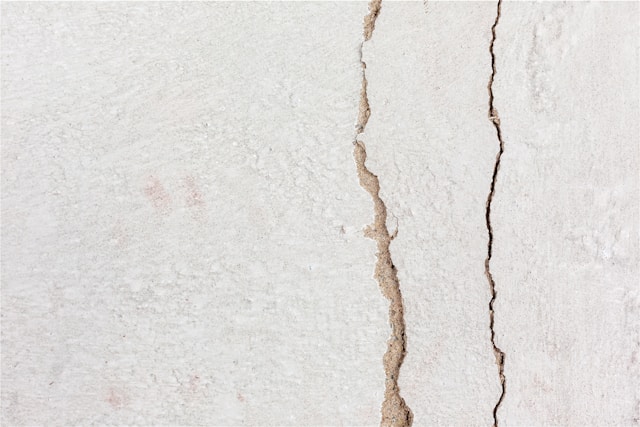
Why Expansion Joint Sealants Are Essential to Stucco Performance
Expansion joint sealants are an essential component for ensuring the performance and longevity of a stucco system. You need to understand that these sealants accommodate normal building movement, which is critical in maintaining structural integrity. When joint sealants fail, they compromise the protective barrier of the stucco system, allowing moisture intrusion through expansion joints. This breach can lead to significant issues within wall assemblies, including hidden water damage and deterioration of structural components.
Failed joint sealants often manifest in areas around windows, doors, and material changes, where they’re most vulnerable to environmental stressors. Over time, exposure to UV radiation and temperature fluctuations can cause these sealants to crack or lose adhesion. As a result, moisture enters the stucco system, leading to problems like cracking, mold growth, or wood rot.
Regular inspections and preventive maintenance of joint sealants are essential practices you shouldn’t overlook. Timely replacement of failed joint sealants not only preserves the integrity of the stucco system but also enhances long-term performance, ensuring that your property remains protected against the damaging effects of moisture infiltration.
Understanding the purpose of stucco expansion joints
Stucco expansion joints and flexible sealants play an integral role in the overall performance of a building’s exterior envelope. These components are designed to accommodate building movement caused by thermal expansion, settling, and other factors. By allowing for this movement, stucco expansion joints help prevent cracking and significant structural damage.
Flexible sealants act as a barrier against moisture intrusion, guaranteeing that water doesn’t penetrate the wall assembly. This safeguards the integrity of not only the stucco finish but also the materials beneath it, contributing to long-term building envelope performance. When you properly maintain these joints and sealants, you enhance the system’s ability to protect against the elements.
Additionally, awareness of common vulnerabilities around windows, doors, and material shifts becomes vital. Regular inspections can help you identify early signs of sealant failure, such as cracking or loss of adhesion, which if left unaddressed, can lead to more severe issues. Ultimately, understanding the role of stucco expansion joints and flexible sealants empowers you to guarantee a building’s durability and performance, maintaining an effective barrier against moisture and structural deterioration over time.
How Failed Joint Sealants Lead to Moisture Intrusion
When joint sealants fail, the consequences can be severe, as they compromise the protective barrier meant to shield the building from moisture intrusion. Failed sealants often occur due to environmental stressors like UV exposure and temperature changes, leading to cracks, shrinkage, or detachment. This breakdown allows moisture to infiltrate through vulnerable areas such as expansion joints and shifts between different materials.
Once moisture intrusion starts, it can create a cascade of problems within the wall assembly. You might not realize it at first, but hidden leaks can promote conditions conducive to mold growth, wood rot, and structural deterioration. The risks aren’t confined to what’s visible; moisture can migrate, affecting areas behind the stucco where damage may remain undetected until it becomes severe and costly to repair.
The most susceptible locations include joints around windows and doors, control joints, and material shifts. To mitigate these risks, you need to conduct routine inspections and guarantee timely sealant replacement. By addressing failed joint sealants proactively, you can protect your property’s integrity and greatly reduce the risk of moisture intrusion and related stucco deterioration.
Exploring how cracked, shrinking, or separated sealants
The failure of joint sealants sets the stage for significant water penetration, creating pathways through which moisture can enter wall systems. Cracks, shrinking, or separation of sealants result in vulnerable points that allow water infiltration, leading to hidden leaks and moisture migration behind stucco walls. Once moisture penetrates, it can wreak havoc on internal structures, fostering conditions for stucco deterioration.
Consider the following factors:
- Cracked sealants compromise adhesion, allowing water to seep into walls.
- Shrinkage creates gaps that provide direct access for moisture.
- Separation from adjacent materials leads to unsealed connections, enhancing the risk of intrusion.
- Accumulated moisture can initiate mold growth, wood rot, and corrosion of structural components.
Once moisture enters the wall system, it may go unnoticed until significant damage occurs, including cracking, staining, and rising damp. Addressing these sealant failures quickly can mitigate potential stucco deterioration and preserve the integrity of your structure. Regular inspections and proactive maintenance are essential strategies for managing these vulnerabilities and preventing costly repairs down the line.
The Connection Between Sealant Failure and Stucco Deterioration
Failures in joint sealants directly contribute to stucco deterioration by creating pathways for water intrusion that compromise the integrity of the entire wall system. When sealants crack, shrink, or lose adhesion, they allow moisture to penetrate vulnerable areas, particularly around windows, doors, and control joints. This water intrusion undermines stucco waterproofing efforts, leading to hidden damage that can escalate quickly.
As moisture accumulates behind the stucco, it can trigger a cascade of problems, including plaster delamination and efflorescence. These issues not only diminish the aesthetic appeal of your home but also threaten its structural integrity. Regular maintenance and timely replacement of failed sealants are essential in mitigating these risks. If you neglect sealant issues, you might find yourself facing extensive repairs, which could have been avoided.
Implementing a proactive approach to inspection guarantees that any sealant failure is addressed before it impacts stucco durability. By understanding the connection between sealant failure and stucco deterioration, you can take appropriate actions to preserve the effectiveness of your stucco waterproofing measures and protect your investment from costly repairs in the future.
Examining how moisture accumulation contributes to stucco cracking
Moisture accumulation behind stucco can lead to a series of damaging consequences that threaten the integrity of both the exterior finish and the underlying structure. When water infiltrates, it often results in stucco deterioration, presenting several issues that can compromise your property:
- Cracking: Excess moisture causes expansion and contraction, leading to visible cracks in the stucco surface.
- Delamination: Continuous moisture exposure can weaken adhesion, causing the stucco to separate from the substrate.
- Efflorescence: Water dissolves soluble salts, which then migrate to the surface and create unsightly white stains.
- Wood rot and mold growth: Prolonged dampness fosters an environment for wood to decay and mold to thrive, posing health risks.
These complications not only reduce the aesthetic appeal of your stucco but also accelerate structural deterioration. If left unaddressed, you may find yourself facing costly repairs and potentially severe structural damage. Consequently, it’s vital to regularly inspect joints and sealants, ensuring moisture intrusion is mitigated. Protecting your stucco system from moisture accumulation is essential for maintaining both its beauty and structural integrity.
Common Signs Your Stucco Sealants Need Attention
Regularly inspecting your stucco joint sealants is essential to maintaining the overall health of your building envelope. One of the first signs of stucco sealant failure is visible cracking along the joints. If you notice hairline fractures or larger gaps, these issues can allow moisture to penetrate and exacerbate deterioration. Additionally, you should look for peeling or chipping sealants, which indicate a loss of adhesion and reduced effectiveness.
Discoloration or staining around windows and doors can also signal sealant issues; this often points to moisture intrusion that can lead to more significant structural problems. Take note of any areas where the sealant appears to be pulling away from adjacent materials, as this separation can create vulnerabilities in the stucco system.
Pay attention to the conditions surrounding control joints and expansion joints, as these areas are particularly prone to sealant failure. If you observe any of these signs, it’s vital to address them promptly to avoid extensive moisture-related damage. Regular maintenance and timely replacement of failing sealants are key to preserving your stucco’s integrity and extending its lifespan.
Identifying deteriorating caulking, joint separation, staining around windows
Your property’s exterior can reveal much about the condition of its stucco sealants, making it essential to recognize the signs of deterioration. Failed joint sealants can lead to significant moisture intrusion, resulting in serious structural issues. Here are some key indicators you should be aware of:
- Deteriorating caulking: Look for cracks, gaps, or brittleness in the sealant material.
- Joint separation: Any noticeable gaps between your stucco and adjacent materials need immediate attention.
- Staining around windows and doors: Dark spots may indicate water penetration, often a sign of compromised sealants.
- Recurring cracks: If you notice persistent or worsening cracks, it could signal moisture issues tied to failed joint sealants.
In addition to these visual signs, don’t overlook possible moisture-related damage such as mold growth or wood rot. These indicate that water may be entering through joints or gaps, exacerbating the deterioration. Regular inspections are vital in catching these warning signs early, enabling proactive measures to maintain the structural integrity of your property. By staying vigilant, you can mitigate the risks associated with failed joint sealants and preserve your stucco’s longevity.
Conclusion
Recognizing the signs of deteriorating joint sealants is just the first step in safeguarding your stucco’s integrity. To truly protect your investment, you’ll need to prioritize professional maintenance and prompt joint repairs. When sealants fail, the opportunity for moisture intrusion dramatically increases, leading to a cascade of potential problems, including mold growth, wood rot, and other costly damages. That’s why proactive stucco maintenance is essential.
Engaging with trained professionals who specialize in stucco systems guarantees that your property receives the attention it needs. They can carry out routine inspections to identify any vulnerabilities and suggest timely interventions. By replacing compromised sealants before they escalate into more severe issues, you maintain the integrity of the entire building envelope.
Moreover, implementing a regular maintenance schedule helps extend the longevity of your stucco. This strategic approach not only enhances your property’s aesthetic appeal but also bolsters its structural soundness. Investing in professional maintenance and joint repairs isn’t just about preserving your stucco; it’s about safeguarding your home’s value for the long term. Act now, and you’ll set the foundation for continuous protection against the elements.
Call to speak with one of our professional stucco contractors | 610-590-9285

Patriot Stucco Repair
We can help you repair and remodel your home exterior! Call us today and learn how Patriot Stucco Repair can help.
The region's leading professional stucco contractor



Proudly powered by Snapps website builder