
Cracking, Bulging, and Leaks: Symptoms of Poor Stucco Installation Explained
Stucco: a classic choice for exteriors, but keeping it beautiful takes know-how. This blog is your guide to maintaining, repairing, and loving your stucco home!
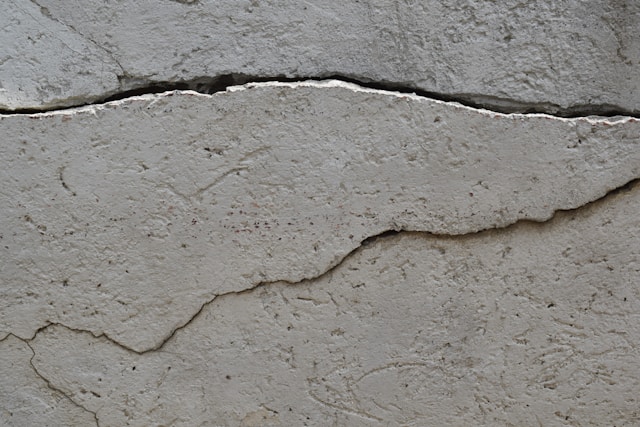
You’ve noticed strange changes in your stucco surfaces—hairline cracks spreading like spider webs, unsightly bulges disrupting smooth walls, mysterious moisture seeping through. These aren’t just cosmetic concerns; they’re critical signals of potential structural failure. Your stucco system might be silently communicating serious installation defects that could compromise your building’s integrity. What hidden problems lurk beneath these visible symptoms, and how can you prevent catastrophic damage before it’s too late?
Introduction
While stucco is a popular exterior cladding material, improper installation can lead to significant structural vulnerabilities that compromise building integrity.
Stucco cracking causes often stem from fundamental installation errors, which can rapidly deteriorate your building’s protective envelope. These defects manifest through visible surface imperfections that signal potential deeper structural challenges.
Stucco leaks water intrusion represents a critical concern, where moisture penetrates compromised stucco systems. Such breaches can create hidden damage pathways, allowing water to seep behind walls and potentially generate extensive structural deterioration.
Bulging surfaces and hairline fractures serve as early warning indicators that your stucco system’s performance has been compromised, necessitating immediate professional assessment and potential remediation to prevent escalating structural risks.
Explaining the root causes of stucco defects, including curing issues, faulty installation, and moisture intrusion
Though stucco’s durability depends on precise installation techniques, several critical root causes can compromise its structural performance.
Poor stucco installation symptoms often stem from inadequate curing processes, where improper moisture control and temperature management prevent optimal material bonding. Faulty installation techniques, such as incorrect mix ratios, inconsistent layer application, and insufficient reinforcement, directly contribute to stucco bulging and delamination.
Moisture intrusion represents another significant underlying issue, where substandard sealing and insufficient water-resistant barriers allow environmental moisture to penetrate the stucco system.
These defects create microscopic pathways that progressively compromise the material’s integrity, leading to structural weakening, surface deformation, and potential long-term damage.
Professional assessment and corrective intervention are crucial in mitigating these systemic installation vulnerabilities.
Identifying the risks associated with these issues, such as water damage, mold growth, and further structural deterioration
The cascading consequences of poor stucco installation extend far beyond surface-level aesthetic concerns, presenting significant risks to building structural integrity and occupant health.
Water infiltration through compromised stucco systems can lead to extensive damage, including wood rot, structural weakening, and toxic mold proliferation.
Moisture testing for stucco becomes critical in early detection and mitigation of these potential hazards.
Left unaddressed, these defects can rapidly deteriorate building components, potentially causing thousands of dollars in repair costs.
Stucco repair solutions must comprehensively address underlying moisture intrusion pathways, preventing progressive structural degradation.
Professional diagnostic techniques like thermal imaging and moisture mapping can reveal hidden damage, enabling targeted interventions that protect both the building’s structural integrity and the health of its inhabitants.
Discussing diagnostic methods for detecting stucco failures, such as moisture meters, thermal imaging, and core sampling
Detecting stucco failures requires a systematic approach utilizing advanced diagnostic techniques that can reveal hidden moisture damage and structural compromises. When conducting a stucco system inspection, professionals rely on precision tools to uncover potential EIFS stucco failure risks.
| Diagnostic Method | Primary Purpose |
|---|---|
| Moisture Meters | Measure hidden moisture levels |
| Thermal Imaging | Identify temperature variations and moisture zones |
| Core Sampling | Extract physical evidence of system degradation |
Moisture meters provide quantitative data about water infiltration, while thermal imaging cameras detect temperature anomalies indicating potential moisture intrusion. Core sampling allows direct examination of the stucco system’s internal composition, revealing structural integrity and potential failure points. These methodical diagnostic approaches enable comprehensive assessment, helping professionals identify and address potential stucco system vulnerabilities before they escalate into significant structural problems.
Conclusion
When stucco systems deteriorate, homeowners and property managers face critical decisions about restoration and repair. Patriot Stucco Repair offers comprehensive solutions using advanced stucco inspection tools that precisely diagnose structural vulnerabilities.
Our systematic approach ensures thorough assessment and targeted remediation, preventing further system degradation.
By combining specialized thermal imaging, moisture detection, and core sampling techniques, we identify underlying issues that conventional inspections might miss. Our expert technicians understand the nuanced challenges of both EIFS and hardcoat stucco systems, delivering precise repair strategies that restore structural integrity and protect your property’s value.
We don’t just repair; we provide long-term protection through meticulous diagnostic protocols and strategic intervention, ensuring your stucco system remains durable, resilient, and functionally sound.
Call to speak with one of our professional stucco contractors | 610-590-9285
Patriot Stucco Repair
We can help you repair and remodel your home exterior! Call us today and learn how Patriot Stucco Repair can help.
The region's leading professional stucco contractor



Proudly powered by Snapps website builder