
Water Damage Behind Stucco: Warning Signs Every Homeowner Should Watch For
Stucco: a classic choice for exteriors, but keeping it beautiful takes know-how. This blog is your guide to maintaining, repairing, and loving your stucco home!
Stucco is one of the most popular exterior finishes used on homes throughout Florida. Known for its durability, versatility, and clean appearance, stucco provides a protective barrier against weather while enhancing a home’s curb appeal. When properly installed and maintained, stucco can last for decades.
However, when moisture penetrates behind the stucco surface, it can create serious problems that are not always visible right away. Water damage behind stucco is one of the most common and costly issues homeowners face, particularly in humid and rainy climates like Manatee County, Florida.
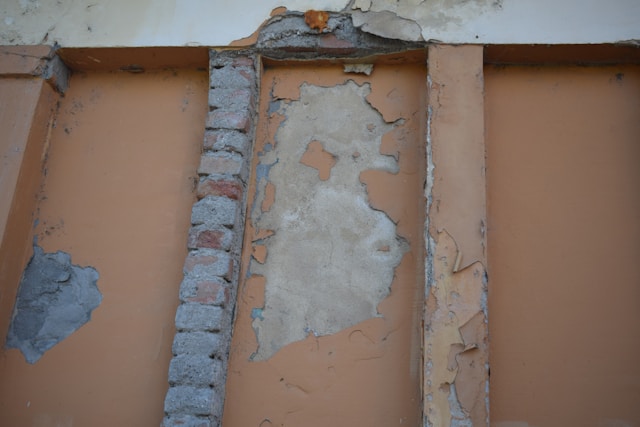
Understanding the early warning signs of hidden moisture damage can help homeowners take action before structural problems develop. Early detection and professional stucco repair or remediation can protect the home, prevent costly repairs, and restore the exterior to its original condition.
This guide explains how water damage forms behind stucco, what warning signs to look for, and how homeowners can protect their property from long-term damage.
How Stucco Protects a Home
Stucco is a layered exterior finish made from cement, sand, powdered limestone, and water. When applied correctly, the mixture forms a strong, durable surface that protects the structure beneath it.
A typical stucco system includes several layers:
- Structural wall framing
- Sheathing or substrate
- Moisture barrier or weather-resistant barrier
- Metal lath for reinforcement
- Multiple layers of stucco finish
Together, these components create a protective shell designed to keep water from reaching the structural elements of the home.
However, if the system is installed incorrectly or develops cracks over time, moisture can infiltrate behind the stucco and become trapped within the wall assembly.
Because stucco is designed to harden into a dense material, trapped moisture may not dry quickly, which can lead to hidden damage over time.
Why Water Damage Behind Stucco Is a Serious Problem
Water intrusion behind stucco can affect several parts of the home’s structure. When moisture becomes trapped, it may begin to damage materials such as wood framing, insulation, and drywall.
In humid regions like Florida, trapped moisture can also create ideal conditions for mold growth.
Potential consequences of moisture intrusion include:
- Rotting wood framing
- Mold and mildew growth
- Damaged insulation
- Interior wall damage
- Structural weakening
- Pest infestations
Because these issues often develop gradually, homeowners may not notice them until the damage becomes extensive.
That is why recognizing early warning signs is essential.
Common Causes of Water Intrusion Behind Stucco
Several factors can allow water to penetrate behind stucco systems. Some problems occur due to improper installation, while others develop as the home ages.
Some of the most common causes include:
Improper Stucco Installation
If the original stucco system was not installed correctly, moisture barriers or flashing may be missing or improperly placed. This allows water to enter vulnerable areas around windows, doors, and rooflines.
Cracks in the Stucco Surface
Over time, stucco may develop cracks due to temperature changes, foundation movement, or natural settling of the home. Even small cracks can allow moisture to seep behind the surface.
Poor Drainage Design
If water cannot properly drain away from the exterior walls, it may collect behind the stucco and become trapped.
Damaged Sealant Around Windows and Doors
Caulking and sealants around openings can degrade over time. When these seals fail, rainwater can enter the wall cavity behind the stucco.
Florida’s Humid Climate
Florida’s combination of heavy rain, high humidity, and tropical storms increases the risk of moisture infiltration.
Homes in Manatee County experience frequent rainfall and high humidity levels, which means even small vulnerabilities in the exterior system can lead to moisture problems.
Early Warning Signs of Water Damage Behind Stucco
Water damage behind stucco is often hidden, but certain visible symptoms can indicate that moisture intrusion may be occurring.
Homeowners should regularly inspect their home’s exterior and interior for signs of potential problems.
Cracks in the Stucco
Hairline cracks are relatively common, but larger cracks or expanding cracks may indicate deeper structural or moisture issues.
Cracks allow water to penetrate the stucco surface and reach the underlying layers.
Staining or Discoloration
Dark spots or streaks on stucco walls may indicate trapped moisture or water runoff patterns.
Discoloration can also signal mold or algae growth caused by excessive moisture.
Bulging or Soft Areas
Stucco should feel firm and solid. If sections appear swollen, soft, or bulging, moisture may be trapped behind the surface.
This condition often indicates significant internal damage.
Mold or Mildew Odors
Musty odors inside the home may indicate moisture or mold growth within wall cavities.
This is a strong indicator that water intrusion may be occurring behind the stucco system.
Interior Wall Damage
Peeling paint, bubbling drywall, or water stains inside the home can indicate moisture penetration from the exterior.
When water travels through the wall system, interior damage may become visible.
Common Stucco Moisture Warning Signs
The following table summarizes common warning signs of moisture intrusion behind stucco and what they may indicate.
| Warning Sign | What It May Indicate | Risk Level |
|---|---|---|
| Hairline cracks | Early moisture entry points | Moderate |
| Large or spreading cracks | Structural movement or water intrusion | High |
| Discoloration or staining | Water absorption or mold growth | Moderate |
| Bulging or soft stucco | Trapped moisture and internal damage | High |
| Musty indoor odors | Mold growth inside wall cavities | High |
| Interior paint bubbling | Moisture traveling through wall system | High |
Identifying these symptoms early can help homeowners take action before major structural repairs become necessary.
The Importance of Professional Stucco Inspection
Because water damage behind stucco is often hidden, professional inspections are one of the most effective ways to identify potential problems.
Stucco specialists use specialized tools and techniques to evaluate the condition of the exterior system.
Inspection methods may include:
- Moisture meter testing
- Infrared thermal imaging
- Visual inspection of cracks and sealants
- Examination of flashing and drainage systems
These techniques allow professionals to detect moisture inside the wall system without causing unnecessary damage to the exterior.
If moisture intrusion is found, repair or remediation can begin before the damage spreads further.
Stucco Repair vs Stucco Remediation
The appropriate solution for water damage depends on the severity of the issue.
Stucco Repair
If moisture damage is limited to surface cracks or minor areas, simple stucco repair may be sufficient.
Repair work may include:
- Filling and sealing cracks
- Replacing damaged stucco sections
- Repainting or recoating the exterior
- Resealing windows and doors
These repairs help restore the protective barrier and prevent further moisture intrusion.
Stucco Remediation
If water damage has affected the underlying structure, more extensive remediation may be necessary.
Stucco remediation may involve:
- Removing damaged stucco sections
- Repairing wood framing or sheathing
- Replacing moisture barriers
- Installing proper flashing systems
- Reapplying new stucco layers
Although remediation is more extensive, it ensures that the home’s exterior system functions properly and prevents recurring moisture problems.
Preventing Future Stucco Water Damage
Homeowners can take several proactive steps to reduce the risk of water damage behind stucco.
Regular maintenance and inspections play a critical role in preserving the exterior system.
Preventive measures include:
- Inspecting stucco surfaces for cracks each year
- Resealing windows and doors when caulking begins to deteriorate
- Maintaining proper drainage around the foundation
- Cleaning gutters and downspouts regularly
- Scheduling periodic professional stucco inspections
Routine maintenance can significantly extend the life of a stucco exterior and reduce the likelihood of costly repairs.
Why Florida Homes Require Extra Attention
Florida’s climate presents unique challenges for stucco systems. Frequent rainfall, high humidity, and intense sunlight can gradually weaken exterior finishes.
Homes in coastal and humid regions such as Manatee County must withstand:
- Heavy seasonal storms
- High moisture levels in the air
- Salt exposure in coastal areas
- Rapid temperature fluctuations
These environmental conditions increase the importance of proper installation, maintenance, and early repair of stucco systems.
Ignoring small cracks or minor moisture signs can allow problems to worsen quickly in this climate.
Protecting Your Home from Hidden Moisture Damage
Water damage behind stucco is a serious issue that can affect the structure, safety, and value of a home. Because the damage often occurs out of sight, many homeowners may not notice the problem until significant repairs are required.
Learning to recognize early warning signs such as cracking, discoloration, interior moisture damage, and unusual odors can help homeowners address the issue before it escalates.
Regular inspections, proper maintenance, and professional stucco repair services are the best ways to protect your home from hidden moisture damage.
By addressing stucco issues early, homeowners can maintain a strong, durable exterior and ensure their home remains protected from Florida’s challenging weather conditions for many years to come.
Call to speak with one of our professional stucco contractors | 610-590-9285

Patriot Stucco Repair
We can help you repair and remodel your home exterior! Call us today and learn how Patriot Stucco Repair can help.
The region's leading professional stucco contractor



Proudly powered by Snapps website builder