
How Weather in Pennsylvania Impacts Stucco and What You Can Do About It
Stucco: a classic choice for exteriors, but keeping it beautiful takes know-how. This blog is your guide to maintaining, repairing, and loving your stucco home!
Stucco has earned a reputation as one of the most durable and attractive exterior finishes available for residential and commercial buildings. Its ability to withstand years of exposure while maintaining its appearance has made it a preferred cladding material in many parts of the United States. However, like every exterior building material, stucco is continually exposed to environmental conditions that influence its performance over time. In states such as Pennsylvania, where buildings experience hot summers, cold winters, heavy rainfall, snow, humidity, and repeated freeze-thaw cycles, understanding how weather affects stucco is essential for protecting long-term structural integrity.
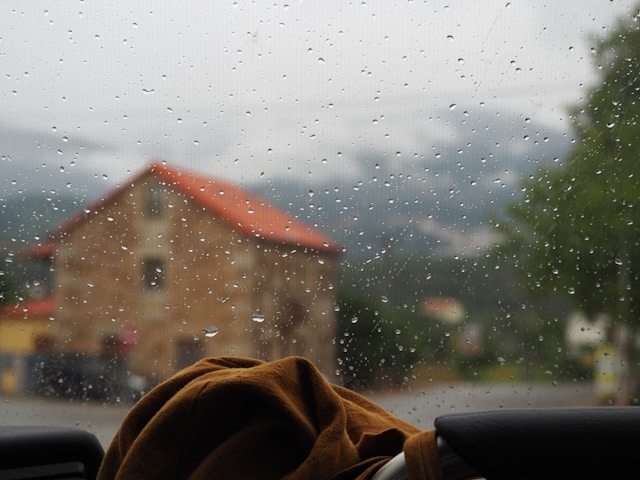
Learning How Weather in Pennsylvania Impacts Stucco and What You Can Do About It helps homeowners, builders, architects, and property managers recognize why regular inspections, preventive maintenance, and prompt repairs are vital. Weather does not simply affect the appearance of stucco; it influences the entire building envelope by exposing exterior walls to moisture, thermal movement, and seasonal stress. By understanding these environmental challenges, property owners can make informed decisions that extend the life of their stucco systems while preserving the value and safety of their buildings.
Understanding Stucco as an Exterior Building System
Stucco is far more than a decorative finish. It is an exterior cladding system designed to protect the underlying structure from environmental exposure while providing durability, fire resistance, and aesthetic appeal.
Traditional stucco consists of several primary ingredients:
- Portland cement
- Sand
- Lime
- Water
Modern stucco systems may also include acrylic additives, synthetic reinforcement, fiberglass mesh, and specialized coatings that improve flexibility and weather resistance.
When installed correctly, stucco serves several important purposes:
- Protects walls from rain and wind
- Resists fire
- Supports energy efficiency
- Enhances curb appeal
- Contributes to the building envelope
- Provides decades of service with proper maintenance
Although stucco performs exceptionally well under many conditions, continuous weather exposure gradually affects every exterior surface.
Pennsylvania’s Unique Climate
Pennsylvania experiences a wide range of seasonal weather conditions throughout the year.
Property owners commonly encounter:
- Hot, humid summers
- Cold winters
- Heavy rainfall
- Snow accumulation
- Ice storms
- High humidity
- Strong winds
- Rapid temperature fluctuations
Because stucco remains exposed year-round, these changing conditions create continuous cycles of expansion, contraction, moisture exposure, and weathering.
The combination of multiple environmental factors makes routine maintenance especially important.
The Building Envelope and Weather Protection
The building envelope includes every component that separates interior living spaces from the outdoor environment.
This protective system includes:
- Exterior walls
- Roofing
- Windows
- Doors
- Flashing
- Insulation
- Foundations
- Weather barriers
Stucco forms an essential part of this envelope by helping prevent water intrusion while protecting structural framing beneath the surface.
When stucco deteriorates, the building envelope becomes more vulnerable to moisture-related damage.
Temperature Changes and Thermal Movement
Every building material expands and contracts as temperatures change.
During Pennsylvania summers:
- Stucco expands as temperatures rise.
During winter:
- Stucco contracts as temperatures fall.
Although these movements are small, they occur repeatedly throughout the life of a building.
Over many years, thermal movement may contribute to:
- Hairline cracks
- Surface stress
- Joint separation
- Minor finish deterioration
Buildings are designed to accommodate some movement, but repeated expansion and contraction eventually affect rigid materials like stucco.
Freeze-Thaw Cycles
One of the most significant environmental challenges affecting stucco in Pennsylvania is the freeze-thaw cycle.
This process occurs when:
- Rainwater enters small surface cracks.
- Temperatures drop below freezing.
- Water freezes and expands.
- Internal pressure increases.
- Cracks widen.
- Ice melts.
- The cycle repeats.
Because water expands approximately nine percent when frozen, even tiny cracks can gradually become much larger after repeated winter cycles.
Freeze-thaw damage often accelerates deterioration that initially appeared minor.
Rainfall and Moisture Exposure
Pennsylvania receives substantial rainfall throughout the year.
Although stucco is designed to resist weather exposure, prolonged moisture creates additional stress on exterior wall systems.
Moisture becomes problematic when:
- Cracks develop
- Sealants deteriorate
- Flashing fails
- Drainage systems malfunction
- Protective coatings wear away
Water entering behind the stucco can affect the structural components hidden beneath the exterior surface.
Humidity and Moisture Retention
Summer humidity also influences stucco performance.
While humidity alone rarely causes structural damage, prolonged damp conditions can slow drying after rainfall.
Moisture retained within wall assemblies increases the likelihood of:
- Mold development
- Wood deterioration
- Efflorescence
- Surface discoloration
Proper drainage and ventilation help reduce long-term moisture retention.
Snow and Ice Accumulation
Snow creates additional moisture challenges.
As snow accumulates around foundations, window sills, and roof transitions, melting water repeatedly wets nearby stucco surfaces.
Potential problem areas include:
- Lower wall sections
- Window openings
- Door frames
- Chimneys
- Roof intersections
Proper flashing and drainage become especially important during winter months.
Wind-Driven Rain
Strong storms often combine wind and rainfall.
Wind-driven rain reaches areas that may not normally experience direct water exposure.
These locations include:
- Window corners
- Roof overhangs
- Architectural projections
- Exterior trim connections
Over time, repeated exposure increases the importance of maintaining properly sealed stucco systems.
Ultraviolet Exposure
Although Pennsylvania is not known for extreme desert sunlight, ultraviolet radiation still affects exterior finishes over many years.
Long-term UV exposure may contribute to:
- Color fading
- Surface chalking
- Finish deterioration
- Reduced coating performance
Protective coatings help preserve appearance while extending service life.
Common Weather-Related Stucco Problems
Weather gradually contributes to several common forms of stucco deterioration.
These include:
Hairline Cracks
Small cracks often develop from:
- Thermal movement
- Natural curing
- Seasonal expansion
Although usually cosmetic initially, they should still be monitored.
Larger Structural Cracks
Wider cracks may indicate:
- Foundation settlement
- Structural movement
- Water damage
Professional evaluation helps determine appropriate repair strategies.
Efflorescence
Efflorescence appears as white powdery deposits on stucco surfaces.
It occurs when moisture dissolves naturally occurring salts within masonry materials and deposits them on the exterior as water evaporates.
Although often cosmetic, persistent efflorescence may indicate excessive moisture exposure.
Surface Staining
Rainwater carrying dirt, minerals, or biological material may produce visible staining over time.
Cleaning alone may not address underlying moisture issues if water intrusion continues.
Moisture Intrusion and Hidden Damage
The greatest long-term threat associated with weather exposure is hidden moisture intrusion.
Water entering behind damaged stucco may affect:
- Wood framing
- Structural sheathing
- Insulation
- Fasteners
- Drywall
- Interior finishes
Because these materials remain concealed, deterioration may continue unnoticed until more obvious symptoms appear.
Signs That Weather Has Affected Stucco
Property owners should periodically inspect exterior walls for:
- Cracks
- Bulging surfaces
- Soft areas
- Staining
- Peeling paint
- Mold growth
- Efflorescence
- Interior water stains
Early identification allows repairs before structural damage becomes extensive.
Why Regular Inspections Matter
Routine inspections remain one of the most effective preventive maintenance practices.
Professional evaluations typically examine:
- Wall surfaces
- Expansion joints
- Flashing
- Sealants
- Window perimeters
- Drainage systems
Minor maintenance completed early often prevents major repairs later.
Moisture Testing
When water intrusion is suspected, moisture testing provides valuable information.
Professional testing helps identify:
- Elevated moisture levels
- Hidden deterioration
- Areas requiring repair
- Building envelope performance
Testing allows contractors to repair underlying problems rather than simply addressing surface symptoms.
Maintaining Proper Drainage
Effective drainage significantly reduces weather-related deterioration.
Property owners should regularly maintain:
- Gutters
- Downspouts
- Splash blocks
- Surface grading
- Roof drainage
Water should always be directed away from exterior walls and foundations whenever possible.
The Importance of Flashing
Flashing protects vulnerable transitions throughout the building envelope.
Critical flashing locations include:
- Windows
- Doors
- Roof intersections
- Chimneys
- Deck connections
Damaged or improperly installed flashing often contributes to moisture intrusion regardless of the condition of the stucco itself.
Protective Sealants
Sealants around windows, doors, expansion joints, and penetrations naturally deteriorate over time.
Routine inspection and replacement help maintain weather resistance while reducing moisture entry points.
Cleaning Stucco Safely
Exterior cleaning removes dirt, algae, mildew, and environmental contaminants that accumulate during years of weather exposure.
Cleaning methods should avoid damaging the stucco surface.
Gentle cleaning techniques generally preserve finishes better than aggressive pressure washing.
Professional Repair Methods
Repair approaches depend upon the severity of weather-related deterioration.
Common techniques include:
- Crack repair
- Localized patching
- Moisture damage restoration
- Finish coating application
- Expansion joint repair
- Sealant replacement
Addressing underlying moisture sources remains essential for long-term success.
Preventive Maintenance Throughout the Year
Seasonal maintenance helps reduce weather-related damage.
Spring
Inspect for:
- Winter cracking
- Moisture damage
- Sealant deterioration
- Drainage issues
Summer
Monitor:
- Surface fading
- UV exposure
- Landscaping moisture
- Exterior cleaning needs
Fall
Prepare for winter by:
- Cleaning gutters
- Inspecting flashing
- Repairing cracks
- Removing debris
Winter
Observe:
- Ice accumulation
- Snow buildup
- Water drainage
- Freeze-thaw effects
Year-round attention significantly improves long-term performance.
Long-Term Benefits of Proactive Maintenance
Regular maintenance provides numerous advantages.
These include:
- Reduced repair costs
- Longer stucco lifespan
- Better moisture protection
- Improved energy efficiency
- Enhanced curb appeal
- Increased property value
Preventive care almost always costs less than extensive structural restoration.
The Importance of Professional Evaluation
Experienced professionals understand how weather affects exterior wall systems.
Comprehensive evaluations consider:
- Building age
- Climate exposure
- Construction methods
- Moisture history
- Existing repairs
- Structural movement
This holistic approach produces repair recommendations that address root causes rather than temporary symptoms.
Future Innovations in Weather-Resistant Stucco
Building materials continue evolving to improve weather performance.
Modern innovations include:
- Flexible finish systems
- Advanced moisture barriers
- Improved drainage planes
- Acrylic-modified coatings
- Enhanced reinforcement materials
These technologies help modern stucco systems better withstand environmental stresses while extending service life.
Conclusion
Understanding How Weather in Pennsylvania Impacts Stucco and What You Can Do About It highlights the close relationship between environmental conditions and long-term building performance. Pennsylvania’s combination of rainfall, humidity, snow, freezing temperatures, seasonal temperature changes, and wind continually challenges exterior wall systems throughout the year. While stucco remains one of the most durable and dependable exterior finishes available, its ability to protect a structure depends on proper installation, regular inspections, timely maintenance, and prompt repair of developing issues.
Call to speak with one of our professional stucco contractors | 610-590-9285

Patriot Stucco Repair
We can help you repair and remodel your home exterior! Call us today and learn how Patriot Stucco Repair can help.
The region's leading professional stucco contractor



Proudly powered by Snapps website builder